One bug isn’t nothing. People want it to be nothing — it’s just one bug, right? — but that’s usually the exact moment things start going wrong, and it’s exactly why so many people end up searching how fast do bed bugs multiply only after the fact, not before. A female bed bug doesn’t need much of a head start to turn “I found one bug” into “I have a problem,” and the math behind it is way less forgiving than most people assume.
How Fast Do Bed Bugs Multiply? The Reproduction Basics
A mated female lays somewhere between one and five eggs a day. She keeps that up for most of her adult life — four months to a year, sometimes longer — which adds up to around 500 eggs total. No shortcuts here, either: bed bugs can’t reproduce without mating, so a single unmated bug found in a suitcase is genuinely lower-risk. A pair is a different story. That’s really all it takes to get the whole thing started.
The eggs themselves are easy to miss. Pinhead-sized, pale, a little sticky, which is exactly why they end up cemented into mattress seams and box spring corners instead of sitting out where anyone would notice. Give it five to ten days at normal room temperature and they hatch. That’s when the clock actually starts running.
The Bed Bug Life Cycle, Stage by Stage
From hatchling to adult, a bed bug goes through five nymph stages. It needs a full blood meal before each molt — skip that meal, and development just stalls out. Here’s the rough breakdown:
| Life Stage | Typical Duration | What Has to Happen |
|---|---|---|
| Egg | 5–10 days to hatch | Needs warmth and humidity; sticks to seams and cracks |
| Nymph, instar 1–5 | 4–6 weeks total (favorable conditions) | One blood meal required before each molt |
| Adult | 4 months to 1+ year | Mates and starts laying within days of the final molt |
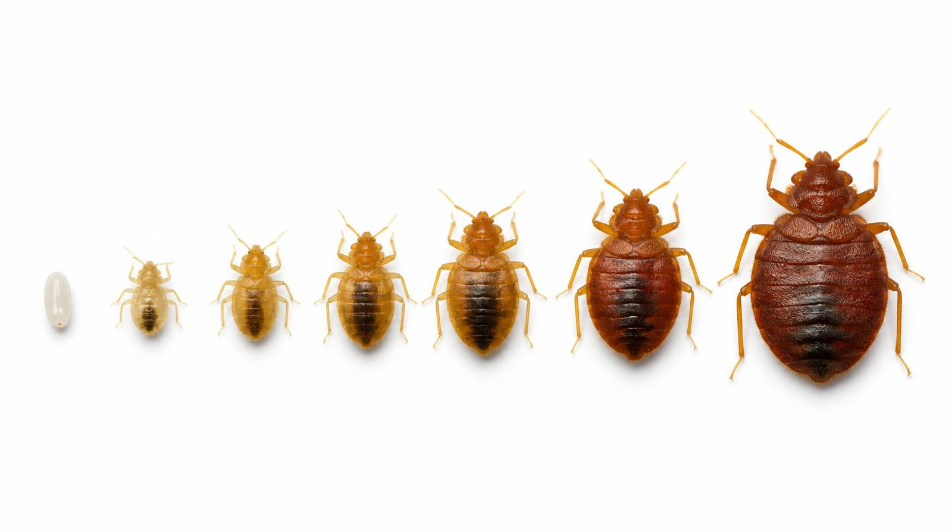
Under good conditions — warm, steady 70–80°F, a host nearby to feed on — a bed bug can hit breeding age in about a month, maybe six weeks. Cooler rooms or spotty access to a blood meal stretch that out to months. In genuinely bad conditions, nymphs can take almost a year to grow up (the EPA’s bed bug life cycle overview covers the same stages in more depth). Which is exactly why two “identical” infestations can look nothing alike three months in.
Multiplying vs. Spreading: Two Different Questions
Worth untangling these, because people mix them up constantly. “How fast do bed bugs multiply” is about population growth — one female turning into dozens. “How fast do bed bugs spread” is about distance — how far that growing population travels from where it started. They’re related but not the same thing, and mixing them up leads to the wrong kind of worrying.
On the mating side: once a male and female cross paths, mating itself takes minutes, and a female doesn’t need to encounter the same male again to keep laying — she can draw on stored sperm for several batches of eggs afterward. That’s part of why finding just one fed female is enough to worry about, even without spotting a second bug anywhere nearby.
On the movement side, bed bugs aren’t fast in the way a cockroach is. They crawl at roughly three to four feet a minute, and they can’t fly or jump — so distance covered comes from repeated short trips and hitchhiking on clothing, luggage, or furniture, not speed. A population multiplying quickly in one spot still needs those slow, repeated trips to actually spread room to room, which is a big part of why the movement side of an infestation usually lags a step or two behind the reproduction side.
From One Bug to a Real Infestation: A Realistic Timeline
Pest control sources tend to cite populations roughly doubling every two to three weeks once breeding gets going. Take that as a rule of thumb, not gospel — but it does track with what actually shows up in homes that don’t get treated:
| Timeframe | What You’re Likely Dealing With |
|---|---|
| Day 0 | One mated female, undetected |
| ~2 weeks | First eggs hatching; original female still laying |
| 1 month | First generation of nymphs feeding and molting |
| 3 months | Overlapping generations; dozens of bugs at different stages |
| 6 months | Big enough to spread past the original hiding spot |
Nobody’s infestation follows that table exactly. Temperature, clutter, how often the room gets vacuumed, how many blood meals are on offer — all of it nudges the timeline one way or the other. But the shape stays the same: quiet at first, then it snowballs, because every new female is laying eggs right on top of the ones already in the pipeline.
Why Houston Makes This Worse Than It Has To Be
That 70–80°F sweet spot? Houston homes basically live there year-round, thanks to AC and heating running nonstop instead of the seasonal cold snaps that slow bed bugs down elsewhere. A bug that would go semi-dormant for a chunk of winter somewhere up north just keeps right on breeding here. So the “it’ll slow down eventually” assumption people bring with them from other climates doesn’t really hold up locally. Curious how active things actually are near you? Our Houston bed bug activity report tracks real reports by neighborhood, and it’s a good gut check before you assume your street is in the clear.
Why Apartments and Multi-Unit Buildings See This Escalate Faster
Shared buildings make the math worse. Bed bugs move through wall voids, shared baseboards, electrical conduits — so a population that’s been quietly building in one unit for a couple of months already has somewhere new to go before the neighbors notice a thing. That’s a big part of how bed bugs spread between apartment units to begin with, and it’s why one ignored bug in a single apartment can turn into a building-wide mess faster than the same bug would spread through a standalone house.
Myths About Bed Bug Reproduction, Debunked
A few things worth clearing up. No, bed bugs can’t reproduce on their own — it always takes a mated pair. Cold doesn’t kill them the way people wish it would; it just slows them down into a dormant state until things warm back up, and in Houston that’s rarely a long wait. And “one bug isn’t a big deal” might be the costliest myth on this list — the timeline above is basically the whole argument against it.
Why Reproduction Speed Is the Real Argument Against Sprays and Foggers
Here’s the part that actually changes what you do next. A spray or a fogger only kills what it physically touches, full stop. It does nothing for eggs already tucked into a seam or wall void. So a treatment that wipes out every visible adult can still leave eggs behind that hatch a week later and restart the whole clock — which is exactly why bed bug foggers so often look like they worked, right up until bites show up again a few days later. The reproduction rate isn’t a trivia fact. It’s the reason any real treatment plan has to deal with eggs, not just the bugs you can see crawling around.
What Actually Stops the Clock: Heat and the 131°F Number
Eggs are the hard part — chemicals mostly bounce off them. Heat doesn’t. Get a room up to roughly 131°F and it kills bed bugs and their eggs at every stage, in one pass, because heat gets into the same seams and wall voids a spray never reaches. That’s really the whole case for why professional heat treatment tends to beat repeat chemical visits once a population’s had more than a few weeks to get established and start outpacing whatever spray schedule you’re on.
How to Tell If You’re Already Behind the Curve
Every molt leaves a shell behind, so the shells themselves are actually a decent way to gauge how far along things are. One size of shell, over and over, usually means a single generation working through its stages. A mix of sizes in the same spot means multiple generations are already overlapping — which lines up with the multi-month mark on the timeline, not the first couple of weeks. Not sure which stage you’re looking at? This bed bug shell identification guide breaks down what each size actually looks like.
FAQ
Can one bed bug multiply on its own?
No. It takes a mated pair — there’s no asexual reproduction here, so a single unmated bug can’t start an infestation by itself.
How many eggs does a bed bug lay per day?
Usually one to five a day, adding up to roughly 500 over a lifetime.
How long does it take for bed bug eggs to hatch?
Five to ten days at normal room temperature.
Does cold weather slow down bed bug reproduction?
It slows it, doesn’t stop it. Cold pushes bed bugs into a dormant state rather than killing them, and breeding picks back up once it warms up — which in Houston is most of the year.
How many bed bugs can come from one female in three months?
Given overlapping generations and the doubling pattern pest professionals commonly cite, dozens of bugs across multiple life stages is realistic within three months under favorable conditions.
The Bottom Line
“How fast” isn’t a trivia question — it’s the whole reason to act on one bug instead of waiting to see if it turns into something. Give it the right conditions, which Houston hands out for free most of the year, and a single mated female can turn into a multi-generation population within a season, spreading well past the original hiding spot and, in shared buildings, past the original unit too. Dealing with it in the first few weeks is a completely different job than dealing with it at the three-month mark.