
Found one bed bug and nothing else? It’s either a stray that hitched a ride on a bag or jacket, or the first thing you’ve spotted from a small group hiding out of sight. The bug can’t tell you which. Ten minutes of searching can, along with a few weeks of keeping an eye on the bed. Catch the bug, check the usual hiding spots, dry whatever touched the bed on high heat, and set up monitors. A second bug, or any other sign, is your cue to get it inspected.

Why one bed bug is worth taking seriously
Bed bugs ride in on luggage, backpacks, used furniture and coats. One adult can show up and never settle. The catch is that a lone bug in your bed looks identical to the beginning of a real problem, since they spend nearly all their time tucked into seams and cracks, and you only see the ones that wander.
The numbers are why people don’t shrug this off. The University of Florida’s bed bug fact sheet says a female lays 200 to 500 eggs in her lifetime, and eggs hatch in one to three weeks. Adults can live six to seven months with no meal at all. So a quiet bed doesn’t prove much. And you can’t tell by looking whether you caught a fertilized female or a lone male, which is why the search matters more than the bug.
Step 1: Catch it and confirm what it is
If you’ve found one bed bug alive, put it under a clear cup, tape it to an index card, or drop it in a jar of rubbing alcohol. Can’t keep it? Photograph it next to a coin. An adult bed bug is flat and oval, reddish-brown, roughly the size of an apple seed, and it puffs up and darkens after feeding. Plenty of other things get mistaken for it:
- Carpet beetles are rounder and mottled, and they gather near windows and closets.
- Fleas jump. Bed bugs only crawl.
- Cockroach nymphs are quicker and more stretched out.
- Small red bugs racing across a floor or wall are usually something else entirely. The guide to small red bugs in the house walks through the differences.
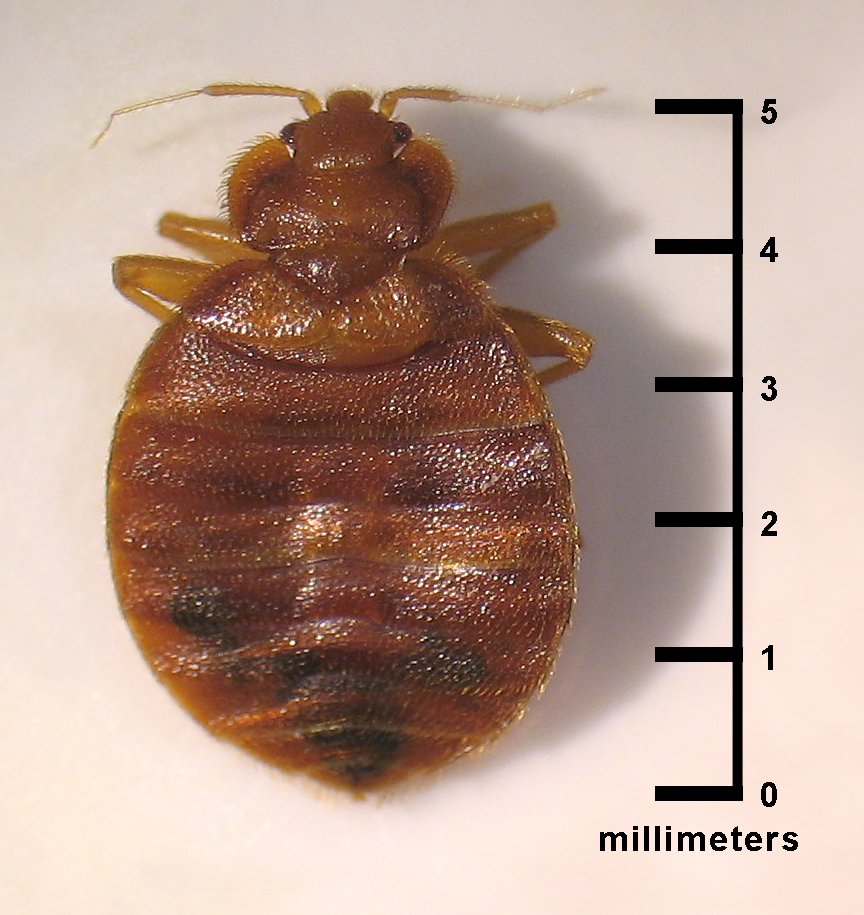
Still not sure? A county extension office or a pest professional can identify it from the bug itself or a sharp photo, before you spend a week treating the wrong thing.
Step 2: Search the bed first, then work outward
To search after you found one bed bug, all you need is a flashlight and an old credit card. Drag the card along every seam to flick out anything wedged inside. Go in this order, because it’s where bugs usually turn up:
- Mattress seams and piping. Strip the bed, check every edge, flip it, check again.
- The box spring and the underside of the frame, including the fabric dust cover and the staples.
- The headboard and the hardware that holds it up, particularly if it’s bolted to the wall.
- Nightstand drawers and the joints where they meet.
- Couches and chairs near the bed. They aren’t confined to beds, and the article on whether bed bugs live in carpet and furniture shows how far they spread.
- Baseboards, outlet covers and the carpet edge.
Look for more than the bug. Dark specks that smear like ink when you wipe them are droppings. Rust-colored spots on sheets, tiny pale eggs glued into cracks and hollow, see-through skins all count. If you can’t tell a shed skin from lint, the bed bug shells guide with photos shows them at actual size.
Any of those next to your bug and you probably have more than a stray. A clean search is good news, though not proof. A very small group is easy to miss.
Step 3: Deal with what touched the bed
The EPA says to run anything that can take it through a household dryer on high for 30 minutes, and it points out that washing alone might not do the job. So the dryer is the step that counts. The article on whether the dryer kills bed bugs gets into timing and what it can’t reach.
- Carry bedding and nearby clothes to the dryer in a sealed plastic bag so nothing drops on the way, and keep the finished load sealed until the bed is ready.
- Vacuum the mattress, box spring, frame and the floor around them. Seal the vacuum bag in plastic and put it in the outside trash.
- Leave the mattress where it is. Hauling it into another room is how one room’s problem turns into the whole house’s.
What to skip
Store-bought sprays and bug bombs don’t get into the cracks where bed bugs live, and they can push the bugs deeper into the walls and into other rooms. The article on why bed bug foggers fail explains how that plays out. Tossing the mattress right away is also premature. Wait until you know there’s a problem.
Can you sleep in the bed tonight?
Most people do, and moving to the couch or a spare room tends to spread things around. Once the bedding is bagged and dried and the floor is vacuumed, make the bed with clean sheets, pull it a few inches off the wall, keep the covers from touching the floor, and set up the monitors below.
Step 4: Watch the bed, not just the calendar
If you found one bed bug, a single clean search tonight doesn’t clear the bed. Monitoring does that.
- Put interceptor cups under every leg of the bed, plus the couch if it’s a suspect. A Purdue University study found interceptors caught about six times as many bed bugs as people did by looking.
- Check the cups and the mattress seams every week and jot down the dates. The Purdue researchers followed up at 2, 4, 6, 8 and 10 weeks.
- Zip a bed bug encasement over the mattress and box spring. The EPA says it should be sturdy enough to last a year, because bugs sealed inside eventually starve.
- Photograph whatever you find. Dated photos help an inspector, and they help if you ever talk to a landlord.
Eggs can take up to three weeks to hatch, so a quiet two weeks is only a start. A run of clean weeks is what actually builds confidence.
Signs it’s more than one bug
If you found one bed bug, any of these means it is probably not alone:
- You find skins, droppings, eggs or blood spots anywhere near the bed.
- A second bug shows up, even in an interceptor cup.
- New bites keep appearing and your searches come up empty.
- The bug was swollen and dark red, which means it had already fed.
If you’d rather have it checked than keep watching, talk with a Houston bed bug specialist. An inspector looks in spots a home search misses, and can tell you whether you found one stray or the start of something bigger.
Where it probably came from
Knowing the source helps you decide how worried to be once you’ve found one bed bug.
- Travel or a hotel stay: luggage is the classic route. Unpack on a hard floor and put the clothes through the dryer.
- Used furniture or a secondhand mattress: check the seams and joints before it comes inside.
- Public places and visitors: one bug on a jacket or bag is often how a lone find starts, and a colony rarely forms somewhere without regular hosts.
- A shared wall: take this one seriously. Bugs travel between units through walls, pipes and outlets.
If you rent an apartment or townhome
In a shared building, if you found one bed bug, the source is more likely to be close by. Keep it in a sealed container, take dated photos, and tell your property manager in writing. Don’t shove furniture into the hallway. The guide to bed bug treatment for apartments in Houston explains why fixing one unit often fails while the neighbors are still affected.
Why DIY often misses the real problem
Bed bugs wedge themselves into cracks, behind baseboards and inside furniture joints, so a spray tends to hit the bugs you already see and miss the ones that count. Eggs are cemented into those same cracks, which makes them the hardest part to reach. Heat gets into places a spray can’t, which is why professionals use it on confirmed infestations. The page on bed bug heat treatment in Houston shows how it works. When you’ve found one bed bug, though, the inspection comes first, because it tells you if any treatment is needed at all.
A bed bug inspection in Houston goes past the mattress to furniture joints, outlets, baseboards and the next room over, and it can use monitors to pick up low activity a flashlight won’t. You walk away knowing whether there’s a problem and what should happen next.
Quick answers
I found one bed bug but no others. Am I fine?
Maybe, but not yet. If you found one bed bug and no other signs turn up after a careful search, that points toward a stray, and several quiet weeks with interceptors in place backs that up. A second bug, a skin or a dark spot at any point, and you should treat it as an early infestation.
What if I found it on my clothes or in my luggage?
Usually that means you picked it up somewhere and it hasn’t settled in. Dry the clothes on high heat, unpack on a hard floor, and then check the bed and wherever your bags and jackets live.
Can one bed bug lay eggs?
A fertilized female can. A male or an unfertilized female can’t start a colony, but you can’t tell which one you caught. That’s the reason for the search and the watch.