Aprehend bed bug treatment cost runs $150 to $280 for a single 16 oz bottle of this fungal biopesticide, plus another $150 to $275 for the low-volume sprayer most homes will need to apply it correctly — and that sprayer, not the chemical itself, is usually where DIY jobs go wrong. A single bottle treats a limited area, so a full-home job can run past $600 once you’re buying enough product and the right equipment.
What Is Aprehend, Exactly?
Aprehend is a biopesticide, not a chemical insecticide. Its active ingredient is Beauveria bassiana strain GHA, a fungus that occurs naturally in soil and infects insects on contact rather than poisoning them outright. Bed bugs that walk through a treated area pick up fungal spores, and the infection kills them over the following days — with new bugs getting exposed as they cross the same treated surfaces for weeks afterward.
The product is registered with the EPA (Registration #73079-15, first approved in 2018) and manufactured by Rockwell Labs in partnership with ConidioTec, the company that grew out of the original Penn State research on the fungus. A 2024 study published via the National Institutes of Health confirmed the mechanism holds up in real infestations, not just lab conditions — which is more independent verification than most bed bug products on the market get.
How the Fungus Actually Kills Bed Bugs
The mechanism is closer to a slow infection than a chemical kill. When a bed bug crosses a treated surface, spores attach to its exoskeleton, germinate, and grow through the shell into the insect’s body. Death usually follows within about a week, but the bug keeps moving and interacting with the rest of the population during that time — which means it can spread spores to other bugs it contacts before it dies. That secondary spread is part of what makes Aprehend useful for lingering, low-level infestations rather than just a direct-kill spray.
It also explains why the product doesn’t touch eggs. Beauveria bassiana needs a living host to infect, and an unhatched egg isn’t exposed the same way an active, moving bug is. Any treatment plan built around Aprehend alone has to account for a second wave of nymphs hatching out days or weeks later — which is exactly why it’s rarely used as a standalone fix for an active infestation.
How Much Does Aprehend Actually Cost?
Pricing depends entirely on job size and whether you’re buying it yourself or having it applied. Here’s what the real numbers look like across current retailers:
| Item | Typical Cost | Notes |
|---|---|---|
| 16 oz bottle (single) | $150 – $280 | Treats roughly one to two average bedrooms |
| Low-volume sprayer | $150 – $275 | Required for correct, even application — most people don’t already own one |
| Larger jobs / multiple bottles | Up to $600–$900+ | Apartments, multi-room homes, or repeat applications |
| Professional application | Varies by provider | Includes equipment, labor, and a licensed technician — see our Houston cost breakdown |
The bottle itself isn’t the expensive part. It’s the sprayer — a proper low-volume unit is what turns Aprehend from “diluted spray that mostly evaporates” into a treatment that actually deposits enough spores to work. Skip it, and you’re paying for the chemical without getting the coverage that makes it effective.
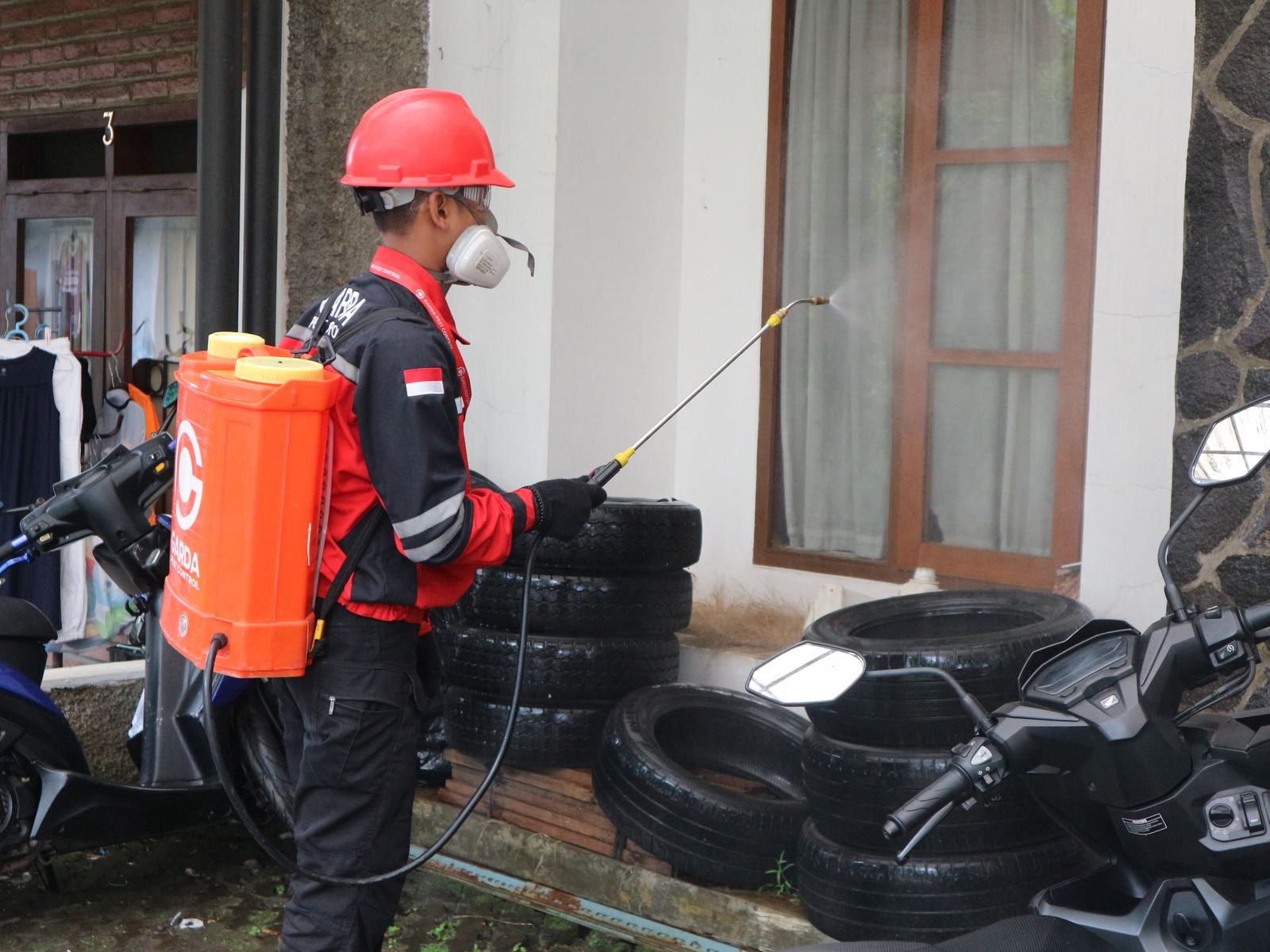
This is also where professional application often ends up cheaper than it looks on paper. A technician already owns the sprayer, already knows the right coverage rate per room, and isn’t guessing on a first attempt. A homeowner buying the bottle, buying the sprayer, and then getting the technique wrong once or twice before it works has frequently spent more — in money and in time the infestation kept spreading — than just paying for one correct professional visit.
Why DIY Aprehend Application Commonly Fails
Aprehend is unforgiving about technique in a way that sprays like Raid or store-bought foggers aren’t. It has to be applied as a fine, even residual film on specific surfaces — bed frames, baseboards, wall-floor junctions — not sprayed broadly the way you’d fog a room. Too much product in one spot, and you get visible white residue and odor. Too little, or the wrong surfaces, and bed bugs simply avoid the treated area rather than crossing it.
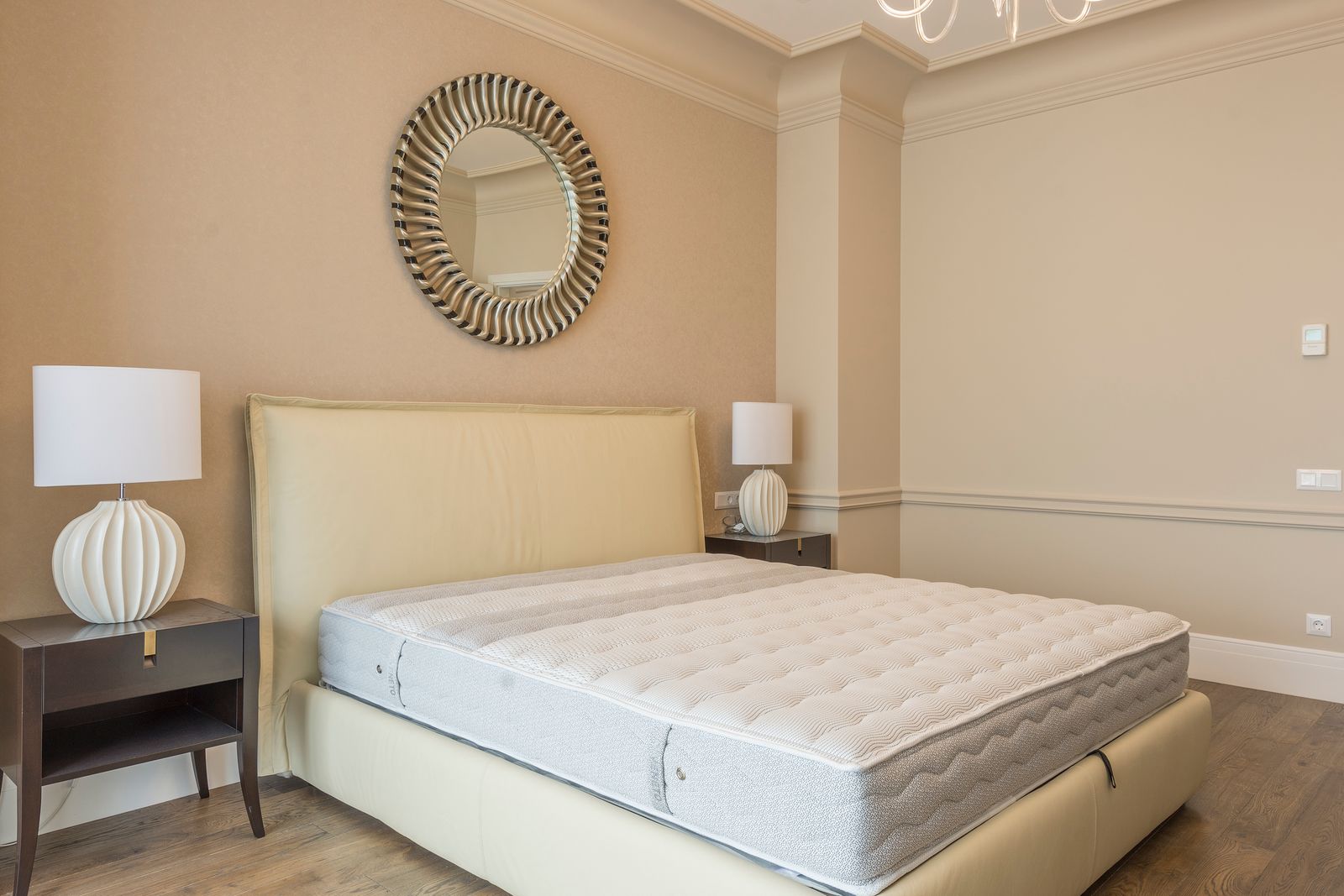
It’s worth saying plainly: Aprehend isn’t the first DIY method people try before calling a professional. Most homeowners work through vinegar or steam first, then move to something like Aprehend once those haven’t fully solved the problem. If none of it has worked and you’re still finding bed bug shells around the bed, that’s a sign the population is still active and growing, not shrinking — worth a real inspection at that point rather than another DIY attempt.
That’s the pattern behind most of the DIY complaints you’ll find searching for this product: people who bought the bottle without the sprayer, or used the wrong nozzle pattern, and ended up with a mess and bugs that were barely affected. It’s a genuinely well-designed product being misapplied by people who’ve never used low-volume spray equipment before — not a flaw in the product itself.
A real example: in one home-improvement forum thread, a homeowner described treating their house with Aprehend and ending up with visible white powder coating surfaces throughout the home, along with a lingering odor — a textbook sign of over-application without the right equipment to control the spray pattern. On the professional side, a discussion among licensed pest control technicians about pricing an 11-room commercial job showed how differently the same product performs when it’s dosed and applied by someone who does it for a living versus someone doing it once. Same chemical, very different outcome — the variable is technique, not the product.
Aprehend vs. Professional Heat Treatment
Aprehend and heat treatment solve the problem differently, and the right choice depends on how fast you need results and how much infestation you’re dealing with.
| Factor | Aprehend | Heat Treatment |
|---|---|---|
| Time to results | Days to weeks (bugs die after contact + infection period) | Same day — lethal temperature kills on contact |
| Kills eggs | No direct effect on eggs | Yes, all life stages in one visit |
| Best for | Ongoing residual protection, prevention, light-to-moderate cases | Active, established infestations that need to be gone now |
| DIY feasibility | Possible but technique-sensitive; easy to misapply | Not realistically DIY — see our heat treatment guide |
Some pest control companies actually use both — heat to eliminate the active infestation immediately, then a residual product like Aprehend to catch anything that gets reintroduced later. If you’re not sure which situation you’re in, a proper inspection is the fastest way to find out. See our Houston bed bug inspection guide before deciding on a treatment method. If you’re specifically in the Katy area, our Katy heat treatment page covers what a same-day visit looks like there.
Is It Legal to Apply Aprehend Yourself in Texas?
Homeowners can legally buy and apply general-use pesticides on their own property in Texas without a license — Aprehend is sold directly to consumers through several retailers. What requires a license is applying pesticides commercially, for pay, on someone else’s property. Texas law requires structural pest control businesses to be licensed through the Texas Department of Agriculture. If you’re hiring anyone to apply it for you, confirm they’re licensed before they start.
FAQ
Does Aprehend kill bed bugs on contact?
No — it works over days, not instantly. Bed bugs pick up fungal spores when they cross a treated surface, and the infection kills them within about a week. It’s a residual, ongoing-exposure treatment, not an instant kill like heat or a direct contact spray.
Is Aprehend safe for pets and kids?
Beauveria bassiana is a naturally occurring fungus found in soil, and the EPA has approved it for indoor residential use. As with any pesticide, follow the label instructions for drying time before letting pets or kids back into a treated area.
How long does one Aprehend treatment last?
The residual effect typically lasts several weeks to a few months on treated surfaces, which is why it’s often used as ongoing protection rather than a one-time fix for an active infestation.
Can I use Aprehend without a sprayer?
Not effectively. The product is designed for a fine, even, low-volume application. Using a generic spray bottle or the wrong nozzle typically results in uneven coverage — either too much product pooling in one spot or not enough reaching the surfaces bed bugs actually cross.
Is Aprehend better than heat treatment?
Neither is universally “better” — they solve different problems. Heat treatment eliminates an active infestation in one visit, including eggs. Aprehend provides longer-term residual protection but works more slowly and doesn’t directly affect eggs. Many professional treatments combine both.
Not sure if your situation needs fast elimination or ongoing prevention? Get a same-day inspection — we’ll tell you honestly which approach fits, not just sell you the most expensive option.